From a mission for orphaned boys in 1923 to the hill shrine that grew from a small statue and a pathway in 1925. Explore the history of Gunadala Lourdhu Matha Shrine.
Msgr. Pezzoni obtained 25 acres of barren land from the government at the foot of Gunadala Hill for an orphanage and boys’ school. On June 15, 1923, he moved to Gunadala with 30 orphans from the Mission School at Bezwada.
Historical Significance: The orphanage and school began the shrine’s story at Gunadala.
Gunadala Lourdhumatha Shrine1923 • Mission begins
1924Orphanage
1924Orphanage
The orphanage officially opens
A school and industrial training begin
The official opening of the orphanage took place on June 15, 1924. The industrial school also began that year.
Historical Significance: The orphanage and industrial school served the children of the mission.
Gunadala Lourdhumatha Shrine1924 • Orphanage
1925First shrine
1925First shrine
The first shrine on the hill
A pathway and a statue of Our Lady
Fr. P. Arlati, PIME, then Rector of St. Joseph’s Orphanage, cut a pathway up the hill and placed a small statue of Our Lady in a niche. A winding path to the grotto followed, and the feast of Our Lady of Lourdes became an annual celebration for the institutions and local Catholics.
Historical Significance: The local devotion to Our Lady at Gunadala began.
Gunadala Lourdhumatha Shrine1925 • First shrine
1933Summit cross
1933Summit cross
The 18-foot iron cross is erected
A sign of “Ad Jesum per Mariam”
To commemorate the silver Jubilee feast of the Assumption of the Blessed Virgin Mary, an 18-foot iron cross was erected at the summit. The grotto halfway up the hill and the cross at its peak came to symbolize “Ad Jesum per Mariam” — to Jesus through Mary.
Historical Significance: The cross marked the summit above the grotto.
Gunadala Lourdhumatha Shrine1933 • Summit cross
1937Diocesan feast
1937Diocesan feast
The feast becomes diocesan
A new statue and an altar on the hill
The feast had become a diocesan celebration. Fr. Arlati placed a new statue on the hill and moved the annual celebration to September 8. An altar was built in front of the niche so Mass could be celebrated on the hill.
Historical Significance: The hilltop became a place for diocesan celebrations and Mass.
Gunadala Lourdhumatha Shrine1937 • Diocesan feast
1947Feast tradition
1947Feast tradition
The feast returns to February 11
The grotto path is improved
Because of September rains, the feast was moved back to February 11. Pictures of the 15 mysteries of the Rosary, painted in kaolin, were placed along the pathway to the grotto. Msgr. Bianchi, Rev. Br. Bertoli and Rev. Br. Crippa worked to deepen the grotto, level the ground and improve the path.
Historical Significance: The February feast date and Rosary pathway became part of the shrine’s tradition.
A masonry arch and staircase were built to make it easier to install a new statue of Our Lady, presented by Msgr. Ambrose De Battista. The white-cement statue weighed 300 kilograms and was brought from Italy.
Historical Significance: The new statue was installed at the hill shrine.
Gunadala Lourdhumatha Shrine1951 • New statue
1971Main church
1971Main church
The main church is blessed
The shrine’s church is built
During the episcopacy of Bishop Joseph Thumma, the feast was extended to three days. The main church was built and blessed in 1971.
Historical Significance: The annual feast grew into a three-day celebration.
Gunadala Lourdhumatha Shrine1971 • Main church
2016Pilgrim facilities
2016Pilgrim facilities
Pilgrim Rest House is renovated
Facilities and access are developed
Bishop Joseph Raja Rao Thelagathoti blessed the renovated Pilgrims’ Rest House. Rector Fr. Eleti William JayaRaju built St. Joseph’s Stage for spiritual and cultural activities and extended the cement road from the main road to the church.
Historical Significance: Pilgrim facilities and the approach to the church were improved.
On January 31, the mysteries of the Rosary along the extended approach road were inaugurated by Bishop Joseph Raja Rao and blessed by the Vicars General. The Gunadala Matha Fountain was also blessed and inaugurated that day.
Historical Significance: The approach road’s Rosary mysteries and the fountain were dedicated.
Bishops of Vijayawada who guided the diocese and served the Gunadala Shrine. Select a portrait to read more.
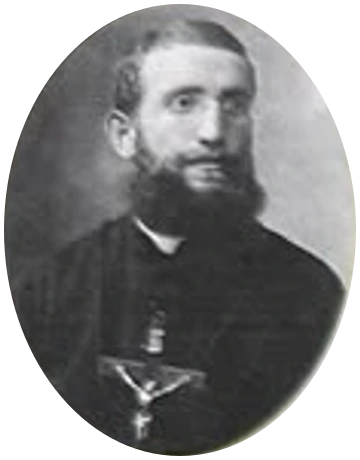
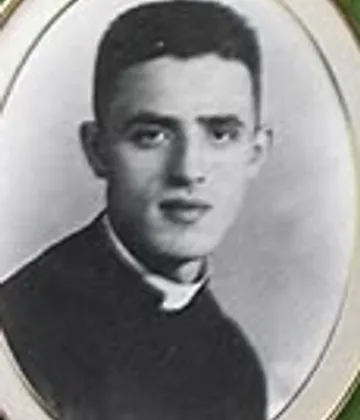
Most Rev. Domenico Grassi, PIME
First Bishop of Vijayawada • 1934–1950
1887–1951
Known as the “Gentleman Bishop,” he was remembered for self-control, prudence and kindness. During his tenure, the Catholic population almost tripled. He supported Gunadala Shrine and its Marian devotions.
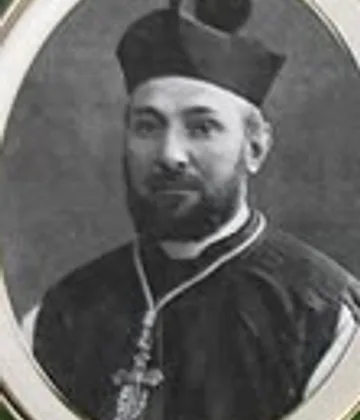
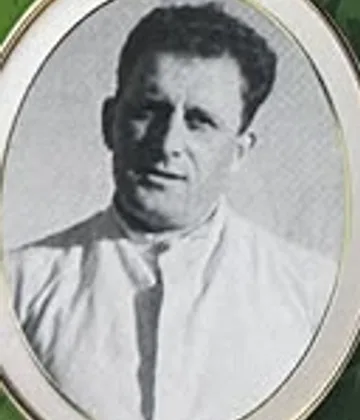
Most Rev. Ambrose de Battista, PIME
Second Bishop of Vijayawada • 1951–1970
1905–1971
Remembered as a builder of the Diocese of Vijayawada, he promoted devotion to Our Lady of Lourdes. The life-size, 300-kilogram white-cement statue he presented was brought from Italy to Gunadala by Fr. Paolo Arlati in 1951.
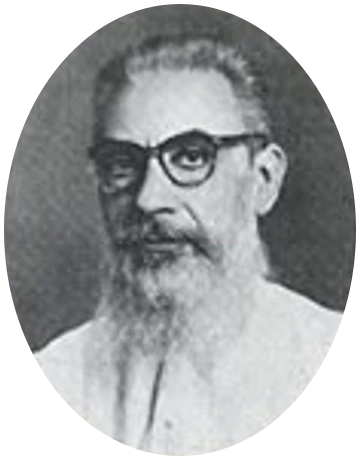
Most Rev. Joseph Thumma
Third Bishop of Vijayawada • 1971–1996
1918–1996
He cared for priests and Catholics as a paternal pastor, developed diocesan infrastructure and served as Secretary General of CBCI. He initiated the process to elevate Gunadala Lourdhu Matha Shrine as a Basilica.
Most Rev. Marampudi Joji
Fourth Bishop of Vijayawada • 1997–2000
1942–2010
A son of the soil who loved his people, he wished to be buried in Gunadala. He was an astute planner and administrator with strong diplomatic skills, and prepared a master plan for the shrine’s development before his appointment as Archbishop of Hyderabad.
Most Rev. Mallavarapu Prakash
Fifth Bishop of Vijayawada • 2002–2012
Born 1949
An approachable pastor who was loved by his people, he was a theologian and professor in the Regional Seminary. He contributed to expanding the shrine’s infrastructure and improving access to the hilltop.
Most Rev. Joseph Raja Rao Thelagathoti, SMM
Sixth Bishop of Vijayawada • 2016 onwards
Born 1952
A teacher and preacher, he promoted Marian devotion during the centenary of Gunadala Lourdhu Matha Shrine. He developed Japamala Matha Margam to improve pilgrim access and was the originator and chief architect of the Centenary Shrine Church.
Rectors and Parish Priests Down the Decades
A photographic timeline of the priests who served Gunadala Shrine. Scroll horizontally to follow the years.
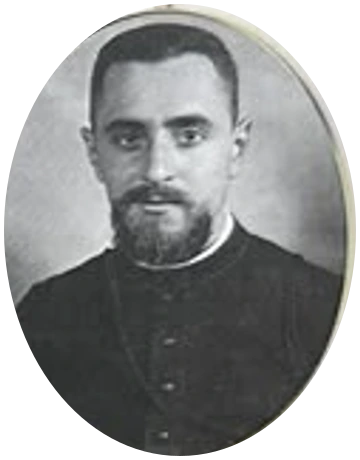
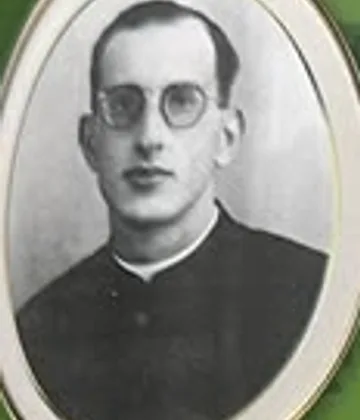
Rev. Fr. Paolo Arlati, PIME
July 1924 – December 1934
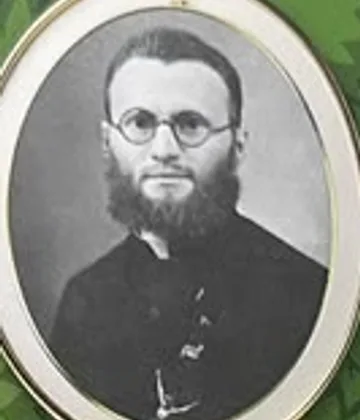
Rev. Fr. Gabriele Arosio, PIME
January – December 1935
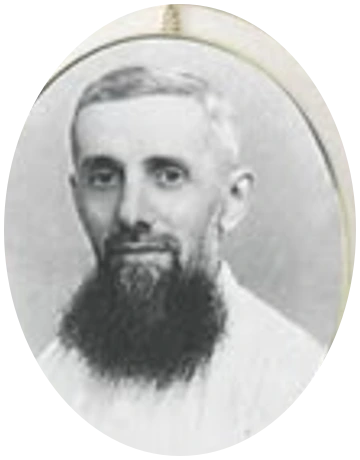
Msgr. Angelo Bianchi, PIME
January 1935 – March 1947
Rev. Fr. P. F. Andrade
April 1947 – May 1948
Rev. Fr. Leonardo Redaelli, PIME
June 1948 – June 1967
Rev. Fr. Carlo Rimondi, PIME
July 1967 – March 1969
Rev. Fr. Giovanni Battista Calderaro, PIME
April 1969 – May 1973
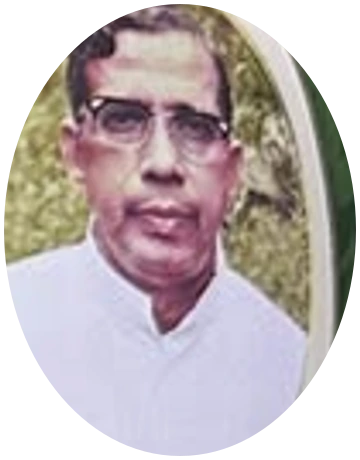
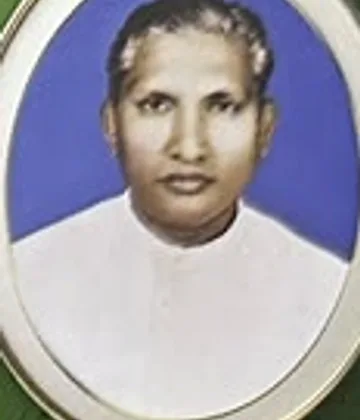
Msgr. Jacob Kanjirathinkal
May 1973 – October 1974
Rev. Fr. Ennio Premoli, PIME
October 1974 – February 1979
Rev. Fr. Luigi Pozzoli, PIME
February 1979 – September 1980
Rev. Fr. Augusto Zanini, PIME
October 1980 – 1986 (returned to Italy)
Rev. Fr. Yadala Balaswamy
March 1981 – June 1988
Rev. Fr. Saka Johannes
June 1988 – May 1992
Rev. Fr. Mesapam Gabriel
May 1992 – May 1994
Rev. Fr. Junjunuri John Raju
May 1994 – April 1998
Rev. Fr. Polimetta Joachim
April 1998 – May 2005
Rev. Fr. Mallavalli Balaswamy
May 2005 – May 2009
Rev. Fr. Pamiti John Stephen
May 2008 – May 2009 • Parish Priest
Rev. Fr. Merugumala Chinnappa
May 2009 – May 2016
Rev. Fr. Muvvala Prasad
May 2016 – October 2016
Rev. Fr. Eleti William Jaya Raju
November 2016 onwards
Witness History In The Making
Explore the ongoing construction of the Centenary Memorial Basilica, commemorating 100 years of Gunadala Matha’s maternal intercession.